What to Know About Artificial Turf for Dogs
Keeping a yard green while sharing it with a dog can be a challenge. Mud patches, brown spots from urine, and the constant cycle of digging and dirt tracking are common frustrations. Artificial turf offers a solution that stays green year-round, but making it work for pets requires careful attention to what happens underneath the surface. Without proper planning, even the best-looking synthetic grass can turn into a smelly, soggy mess.
The key to a successful pet-friendly installation lies in managing liquid waste and rain. Dogs produce a surprising amount of urine, and when it has nowhere to go, it pools on the surface or soaks into the base layer, creating odors and bacterial growth. This is where the drainage system becomes critical. A well-designed base, combined with the right turf backing, keeps the surface clean and odor-free.
For any artificial grass that will see regular use by dogs, the first priority is ensuring that liquid can pass through quickly. Turf designed for pets has a perforated backing, which allows urine and water to drain straight down into the base. Without these weep holes, moisture would sit on the surface and create a breeding ground for bacteria. But the backing is only part of the story. The real work happens in the layers beneath the grass.
The Role of the Drainage Base
The base layer beneath artificial turf serves as the primary drainage system. For pet areas, the standard recommendation is a compacted base of crushed rock or decomposed granite. These materials create a porous structure that lets water percolate downward. A typical base depth is three to four inches, compacted firmly to prevent settling while still allowing drainage. If the base is too fine or too tightly compacted, water can pool within the base itself, leading to the same odor problems you were trying to avoid.
Grading is equally important. The entire surface should slope slightly toward a designated drainage point, even if that point is just the surrounding soil. A slope of one to two percent is usually enough to encourage water movement without creating a noticeable tilt. In flat yards, you may need to build a slight crown or channel to direct water away from the center. Skipping this step is a common mistake that leads to standing water after rain or heavy rinsing.
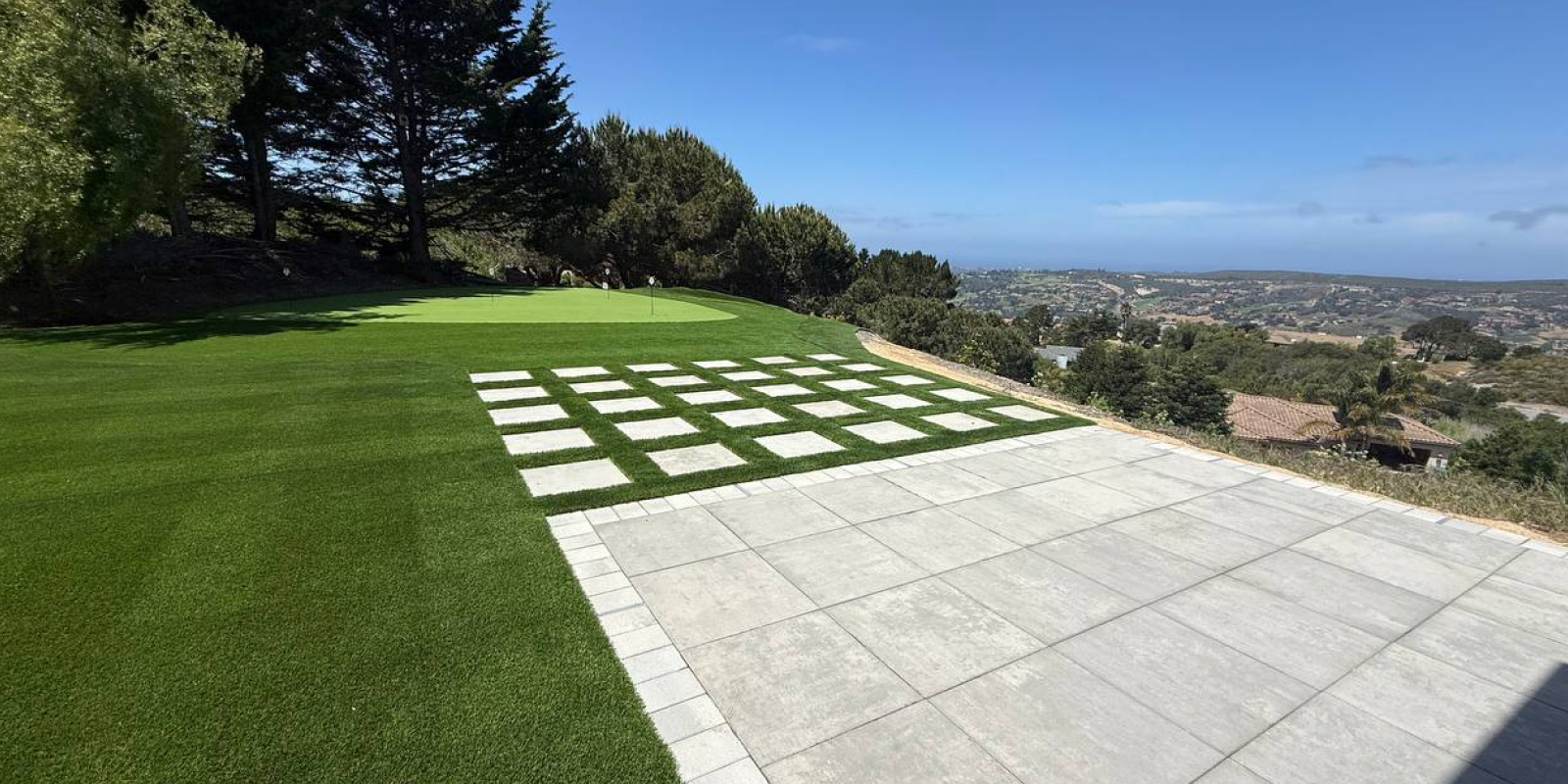
When you combine a perforated turf backing with a well-graded, porous base, you get a system that handles both rain and pet waste effectively. This combination is what most people mean when they refer to pet turf drainage. The phrase pet turf drainage describes the complete system, from the backing to the base to the perimeter, that keeps the surface dry and sanitary.
Perimeter Drainage and French Drains
Even with a good base, some yards need extra help moving water away. If your property sits on heavy clay soil or has poor natural drainage, water can accumulate at the edges of the turf. Installing a french drain around the perimeter solves this by collecting excess water and directing it to a lower area or a dry well. A french drain is essentially a trench filled with gravel and a perforated pipe that carries water away. It is especially useful in low spots or areas where the yard meets the house foundation.
For pet owners, perimeter drainage does double duty. It prevents water from backing up into the turf base, and it helps carry away urine that has drained through the grass. Without this outflow, the base can become saturated, and odors can rise back up through the turf. In extreme cases, saturated bases can also cause the turf surface to feel spongy or unstable underfoot.
Weep holes in the turf backing work with the base and perimeter drains. They are the small openings that let liquid pass through the backing. When all three elements are in place, the system functions like a well-designed landscape drainage network. The turf stays dry on top, and liquids move through the base and out of the yard.
Infill Choices for Odor Control
Infill material plays a supporting role in drainage and odor management. Infill is the granular material brushed into the turf fibers to keep them upright and provide cushioning. For pet areas, you want an infill that does not trap moisture or harbor bacteria. Silica sand is a common choice because it is inert and drains well. Some products use a coated sand that includes antimicrobial properties to reduce odors. Zeolite is another option; it naturally absorbs ammonia from urine, which cuts down on smell between cleanings.
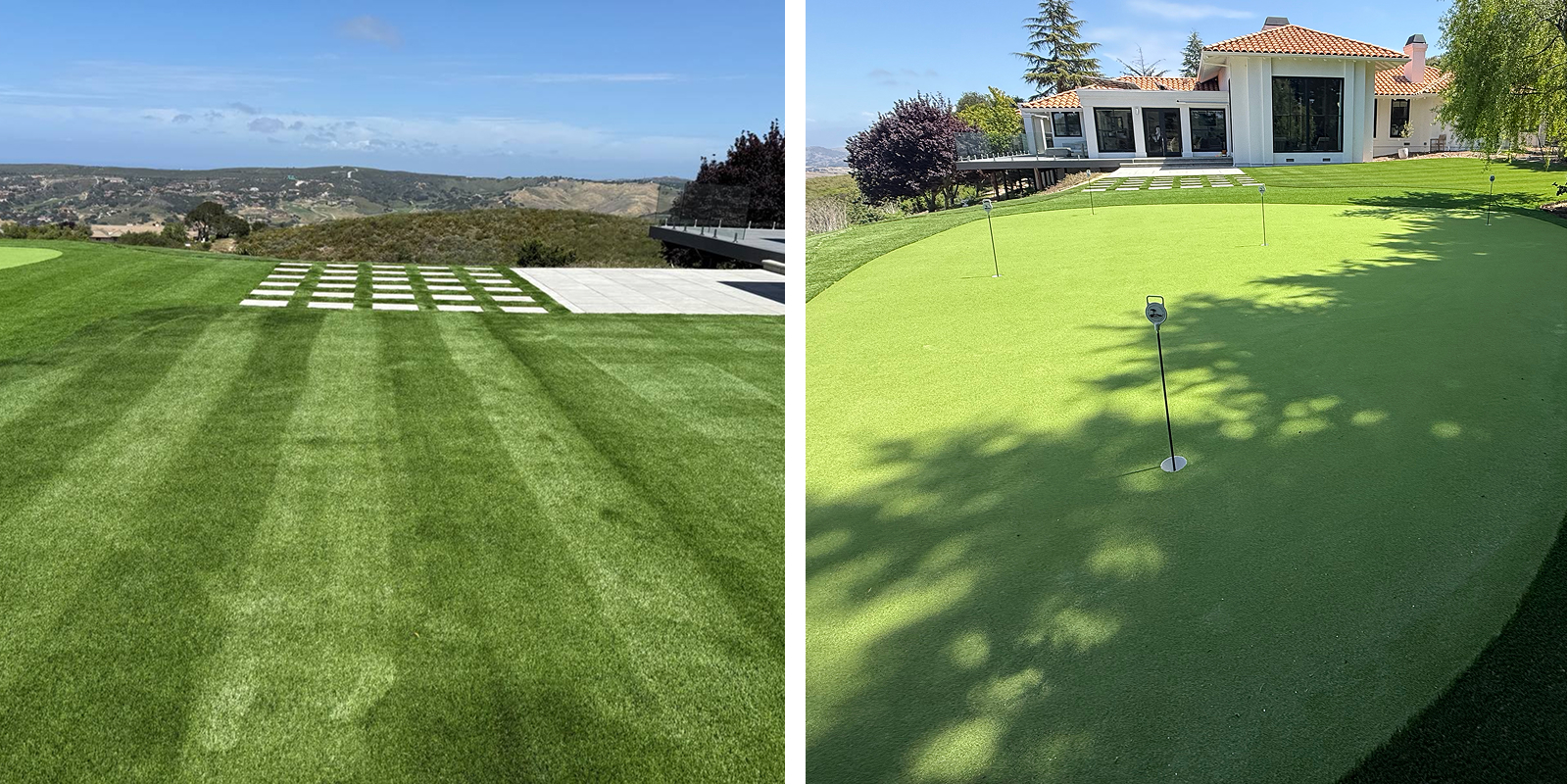
Avoid using crumb rubber infill in pet areas. Rubber can retain heat, which may be uncomfortable for dogs, and it can hold odors over time. The best approach is to choose an infill that matches the drainage capabilities of your base and backing. If you use too much infill or the wrong type, it can clog the weep holes and slow drainage. That is why following the manufacturer's recommendations for infill depth and type is important.
Regular rinsing helps keep the surface fresh, but a good drainage system reduces how often you need to do it. When urine drains quickly and the base stays dry, odors have less chance to develop. Some homeowners add a deodorizing spray or enzyme treatment to the routine, but these are supplements, not substitutes for proper drainage. If the base is saturated, no spray will fix the smell for long.
Installation Considerations for Pet Owners
If you are planning an installation for a dog run or a large play area, there are a few factors worth checking before you start. First, confirm that the turf you select has a perforated backing designed for drainage. Not all artificial grass has this feature. Some landscape turf has a solid backing meant for aesthetic use only, and it will not drain fast enough for pet areas. Look for turf labeled for pet use or with a high drainage rate.
Second, pay attention to the base material. Crushed granite or angular rock works better than rounded gravel because it locks together when compacted and leaves pore spaces for water to move through. The base should be installed in layers, with each layer compacted before adding the next. This prevents settling later, which can create low spots where water collects.
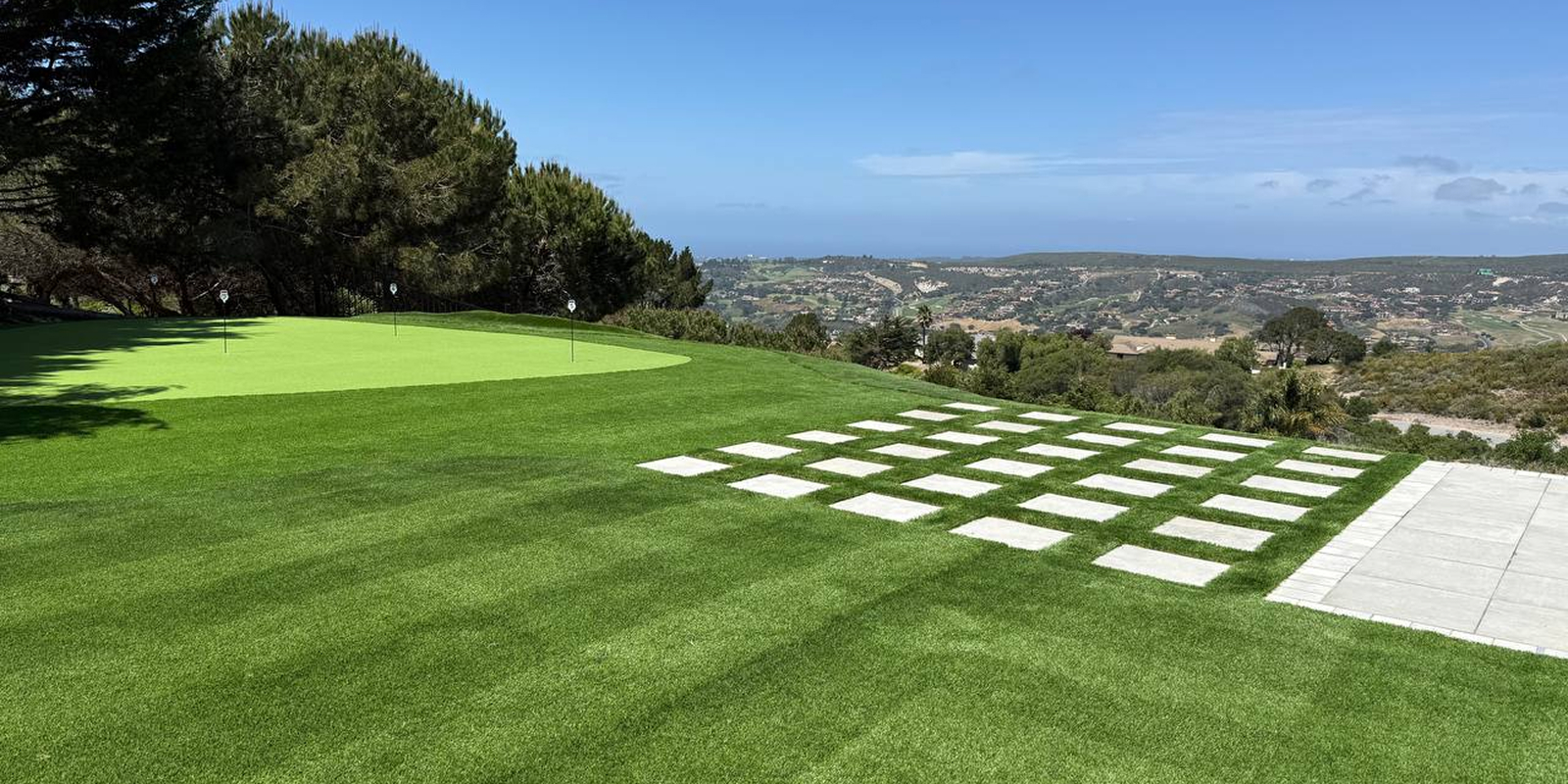
Finally, consider the location of the turf relative to existing drainage features. If your yard already has a dry well or a storm drain, you may be able to tie the turf drainage into that system. If not, a simple french drain or a gravel trench at the low edge of the turf area is usually enough to keep things dry.
For dog owners, the payoff of getting these details right is a yard that stays clean, dry, and odor-free even with daily use. The upfront work of designing the base and drainage system is what separates a turf installation that lasts from one that becomes a problem. It is not the most visible part of the project, but it is the most important.